
Pest Management for Trees & Shrubs
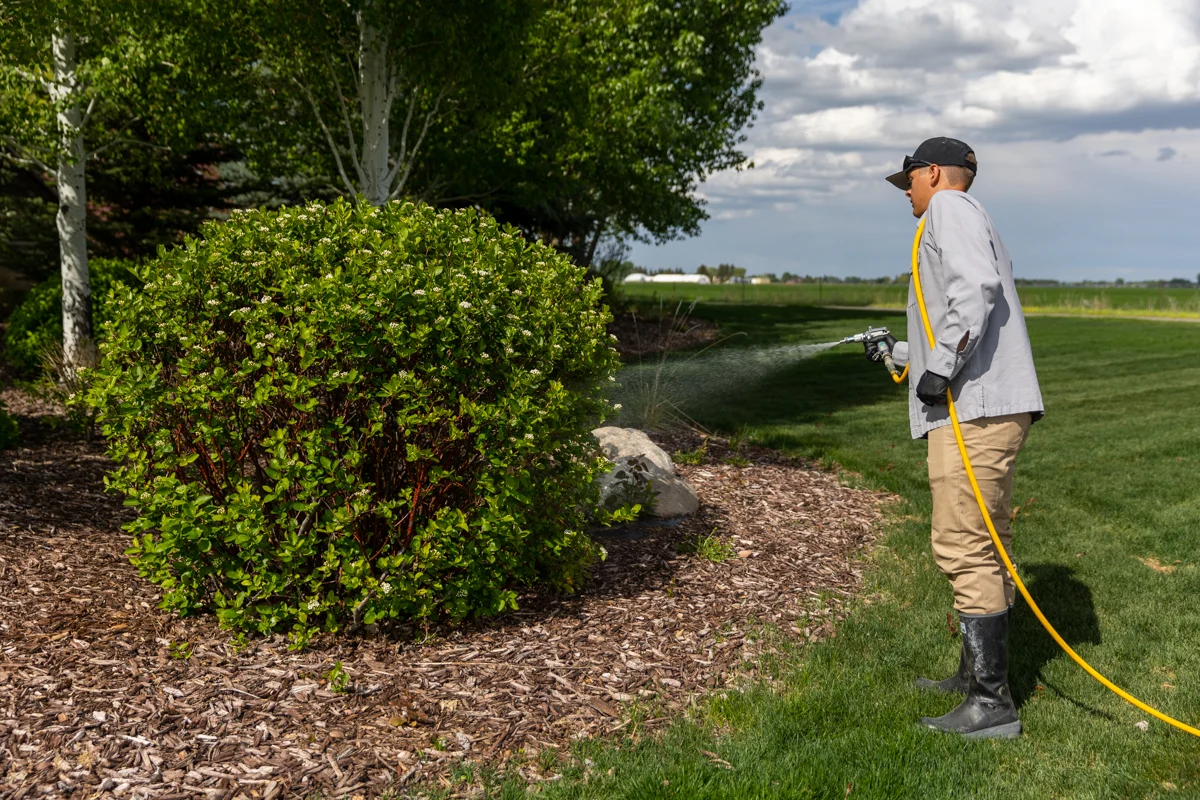
Treating Your Trees & Shrubs for Damaging Pest Infestations
Australian trees and shrubs are exposed to a range of native and introduced pests that can cause serious damage if left untreated. Infestations can weaken plants, increase the risk of disease, and even kill valuable trees.
At Arborists, our team provides targeted pest management solutions that are safe, environmentally responsible, and tailored to Australian conditions. We combine careful monitoring with professional treatments to protect your trees while preserving the local environment.
Our approach includes:
- Early detection and accurate pest identification
- Environmentally responsible treatments
- Targeted, cost-effective solutions with minimal impact on surrounding ecosystems
- Practical advice to maintain long-term tree health
Aphids
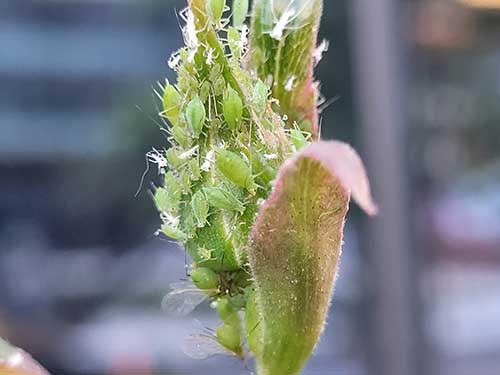
Aphids are small, soft-bodied insects that feed on plant sap, weakening trees and shrubs. In large numbers, they excrete a sticky substance called honeydew, which encourages the growth of sooty mold — a black fungal coating that blocks sunlight from reaching leaves.
Aphids also transmit a variety of plant diseases from one plant to another.
Our Approach: We use targeted insecticides and natural predator conservation to keep populations in check. Where possible, we apply systemic treatments to protect plants for extended periods, reducing the need for repeated applications.
Boxwood Leafminers
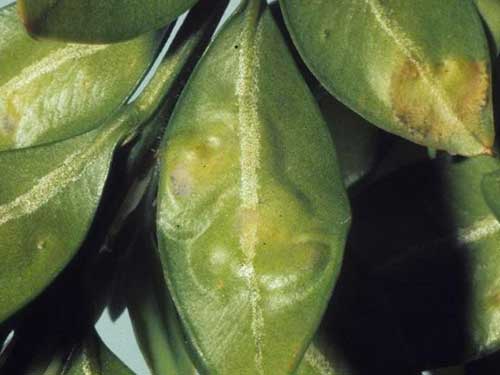
The Boxwood Leafminer is one of the most destructive pests of boxwoods in New Jersey. The tiny fly’s larvae feed inside the leaves, creating blisters, yellowing, and premature leaf drop. Over time, repeated infestations weaken shrubs, diminishing their dense, green appearance.
Our Approach: Trees Unlimited Australia combines careful monitoring with precisely timed treatments to interrupt the leafminer’s life cycle. Our team uses targeted systemic applications to protect boxwoods from internal feeding damage and applies cultural practices to encourage strong, healthy growth. With our proactive care, your boxwoods can maintain their vitality and beauty year after year.
Emerald Ash Borer
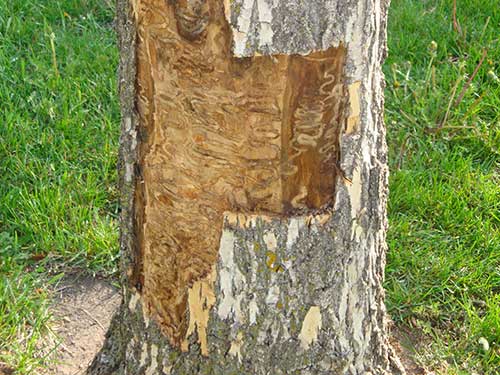
The Emerald Ash Borer (EAB) is one of the most lethal tree pests in North America. The are metallic green in color and only about half an inch long.
This beetle’s larvae tunnel beneath ash tree bark, cutting off the tree’s ability to transport water and nutrients. Once symptoms become visible, damage is often extensive and irreversible.
Our Approach: We prioritize early detection through regular inspections. Preventive systemic treatments can protect healthy ash trees, while infested trees may require removal to prevent further spread. Timing is critical — once an infestation is advanced, mortality is nearly inevitable.
Gypsy Moth (Now officially called Spongy Moth)
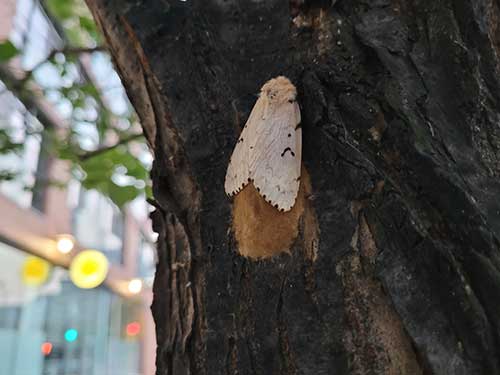
Gypsy Moth caterpillars are now call Spongy Moths. Their aggressive defoliators are capable of stripping a tree bare in a single season.
Spongy moths preferred hosts include oak, birch, and aspen, but during heavy infestations, they will feed on many other hardwood and even evergreen species. Severe defoliation over multiple years can kill otherwise healthy trees.
Our Approach: We implement monitoring programs to detect egg masses early, apply insect growth regulators at optimal times, and use targeted treatments to control caterpillar populations before they cause significant defoliation.
Japanese Beetles
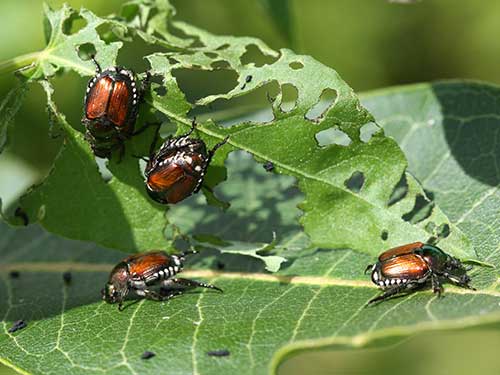
Recognizable by their metallic green bodies and copper wings, Japanese Beetles feed on the leaves, flowers, and fruit of more than 300 plant species.
Their feeding pattern — skeletonizing leaves until only the veins remain — can quickly defoliate and weaken trees and shrubs.
Our Approach: We use targeted foliar sprays during peak feeding periods, soil-applied treatments to disrupt larvae development, and cultural strategies to reduce beetle attraction to your property.
Spotted Lanternfly
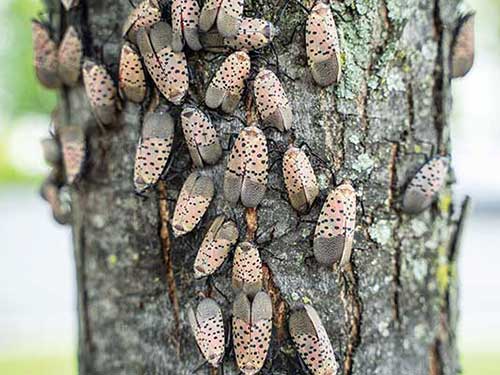
An invasive species first detected in Pennsylvania and now widespread in New Jersey, the Spotted Lanternfly is known for its striking, black-spotted wings and red underwings. Despite its beauty, it is highly destructive, feeding on the sap of over 70 plant species, including maple, oak, walnut, birch, and grapevines. Infestations can cause leaf curling, stunted growth, and increased vulnerability to disease.
Our Approach: We combine mechanical removal, targeted insecticide applications, and monitoring to disrupt the life cycle and prevent reproduction, reducing population numbers before they cause severe damage. Learn more about the Spotted Lanternfly and the treatment for it.
Common Tree & Shrub Pests in Australia
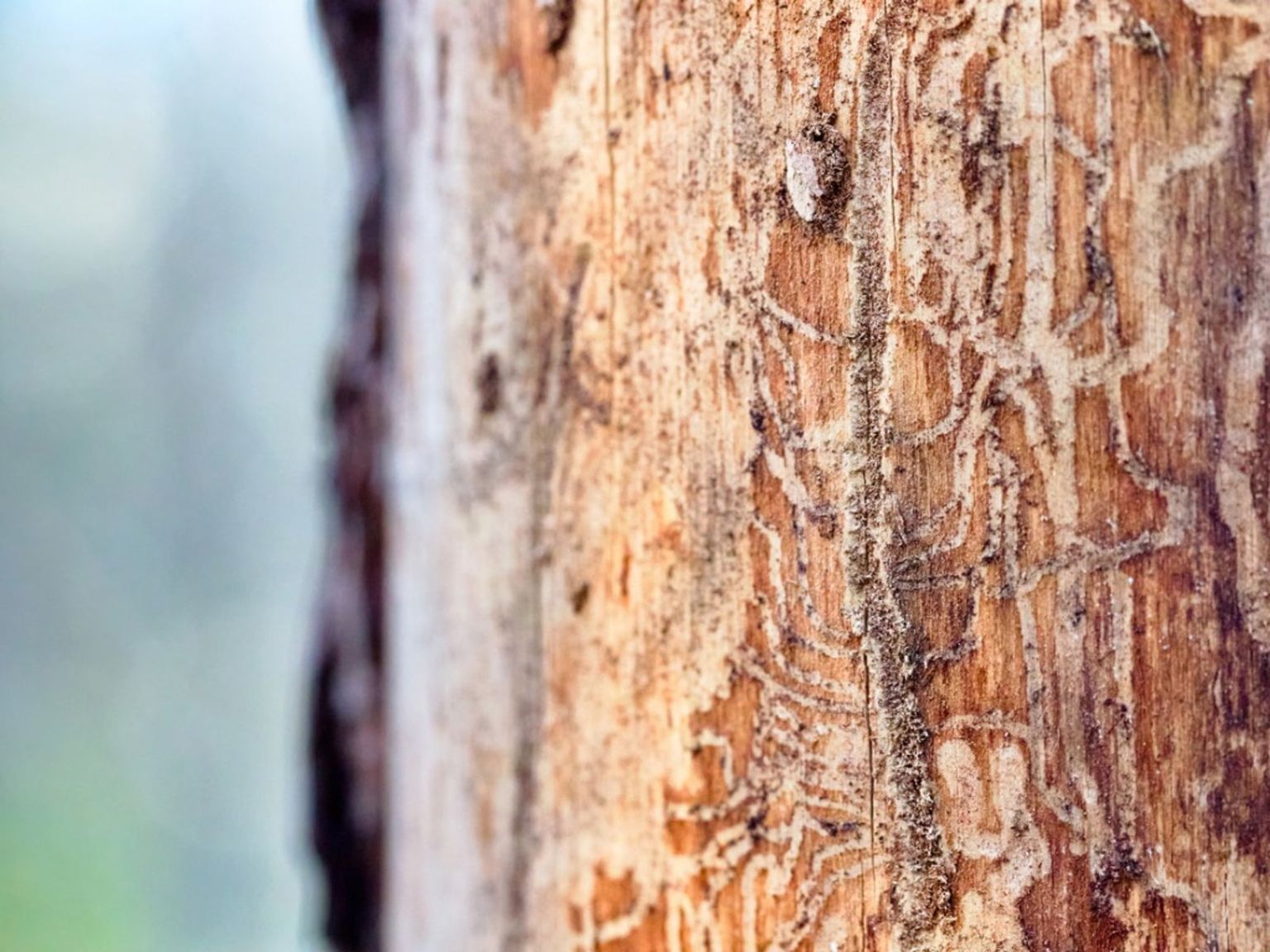
Borers
Borers are destructive insects that tunnel into tree trunks and branches, disrupting nutrient flow and weakening the structure of the tree. Early intervention is key, as severe infestations can cause dieback or tree death.
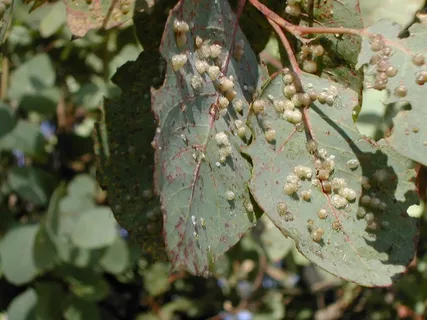
Psyllids & Lerps
These tiny sap-sucking insects feed on eucalyptus and ornamental trees, leaving behind sugary coatings (lerps) that cause leaf distortion, yellowing, and reduced tree vigour.
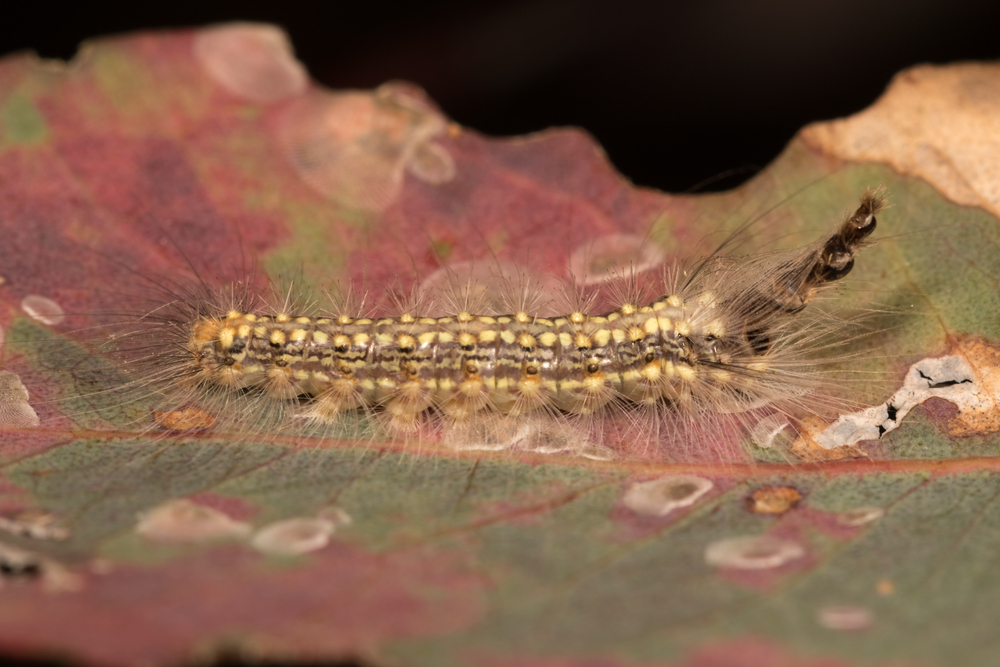
Gumleaf Skeletoniser
Caterpillars of this moth species feed on the surface of eucalyptus leaves, leaving only the leaf veins intact. Heavy infestations can defoliate entire trees.
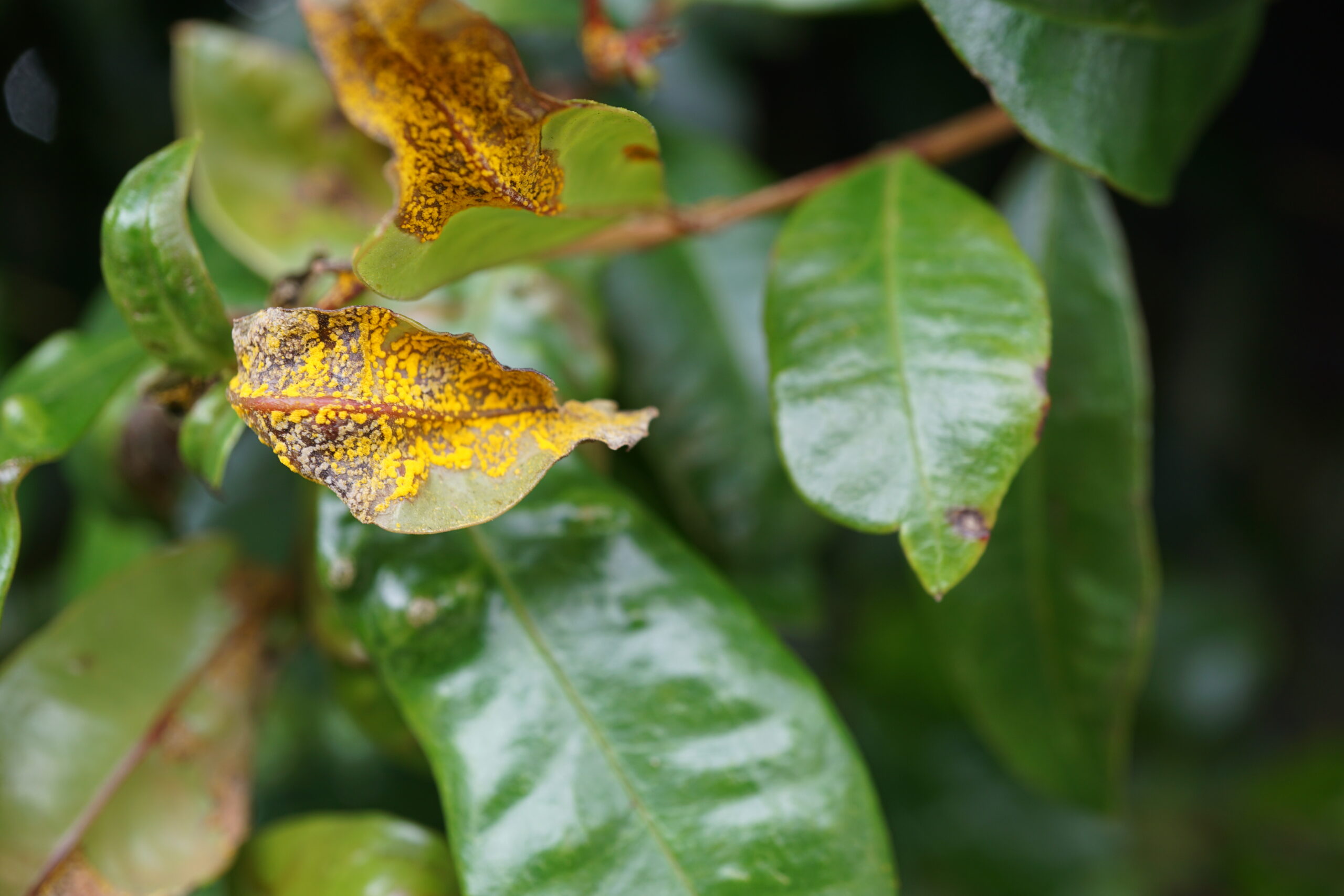
Myrtle Rust
A fungal disease affecting the Myrtaceae family (including lilly pilly, bottlebrush, and eucalypts), myrtle rust appears as yellow pustules on young leaves and shoots, stunting growth and causing dieback.
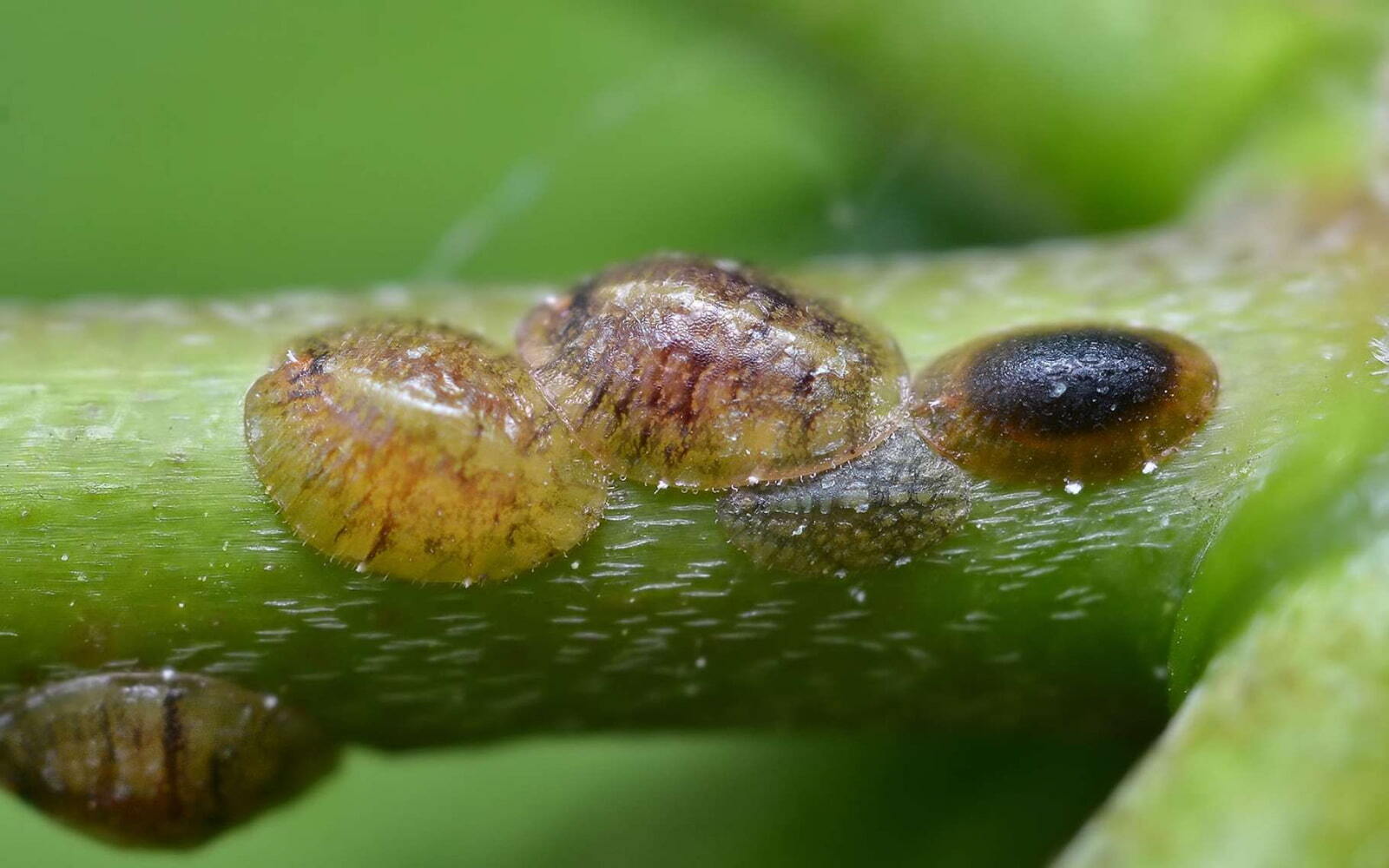
Scale Insects
These sap-feeding pests weaken trees and shrubs, encourage sooty mould growth, and can spread rapidly across branches and foliage.
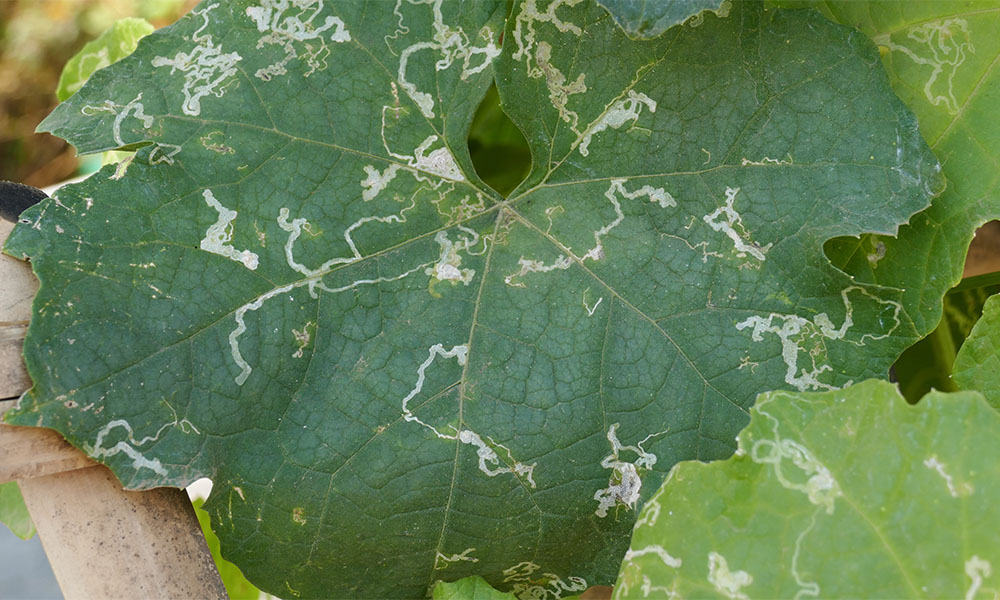
Leaf Miners
These pests burrow inside leaves, creating winding trails that reduce photosynthesis and cause leaves to wither and drop prematurely.
Our Pest Management Approach
- Safe Treatments – We use industry-approved treatments that minimise environmental impact.
- Integrated Solutions – Where possible, we combine physical, biological, and cultural controls with targeted applications.
- Long-Term Protection – Ongoing monitoring and maintenance to keep your trees healthy year-round.